A quotation request can move a project forward or slow it down. The difference usually comes down to one thing: how clearly the requirement is defined before the RFQ is sent.
That is especially true for industrial plastic sheets.
When a buyer, engineer, or fabrication team requests a quote without the right technical information, the result is often predictable. The supplier has to come back with multiple questions. The commercial cycle gets longer. Important assumptions remain unclear. And in some cases, the material that gets quoted first is not even the most suitable one for the actual application.
On the other hand, when the request is built around real project conditions, the quotation becomes much more useful. It is easier to evaluate. Easier to compare. And much more likely to lead to the right material choice.
This is why teams searching for an industrial plastic sheets quote should think beyond basic dimensions and pricing. In technical B2B supply, a good RFQ is not just a purchasing formality. It is the starting point for better specification, better supplier alignment, and better project outcomes.
This article explains what information should be prepared before requesting a quote for industrial plastic sheets and why that level of detail improves both commercial speed and technical accuracy.
In industrial applications, a plastic sheet is rarely just a commodity item. The material will usually be part of a fabrication process, a technical component, a wear surface, a tank, a duct, a liner, a support structure, or another application-specific industrial solution.
That means the supplier cannot responsibly quote based on price alone. The real quotation depends on understanding the technical context around the part or project.
When the RFQ is incomplete, several problems appear:
That does not only delay the quote. It also reduces the chance of getting a quotation that is technically useful.
A better quote starts with a better brief.
The first thing a supplier needs to understand is what the material will actually be used for.
That sounds obvious, but many quote requests arrive with only the material name and the dimensions. In industrial projects, that is not enough.
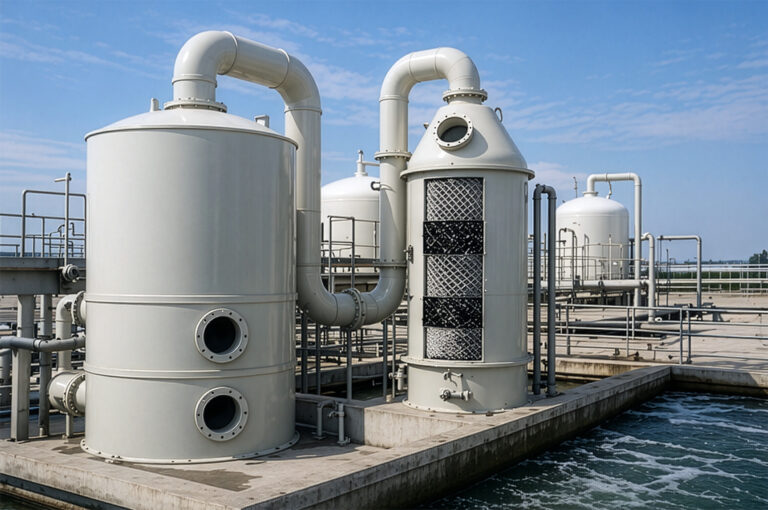
The application changes everything. A sheet for a chemical tank does not follow the same logic as a sheet for a wear liner. A component for a wastewater system does not ask for the same technical evaluation as a machined part used in a dry industrial assembly.
Before requesting a quote, the team should be able to describe the intended use clearly, for example:
This helps the supplier understand not only what material might fit, but also whether the request is fabrication-driven, conversion-driven, or standard sheet supply.
Sometimes the buyer already knows the material family required. In other cases, the supplier may need to help define whether PP or HDPE makes more sense.
If the material is already specified internally, the RFQ should mention that clearly. If not, the quote request should describe the operating conditions well enough to support a recommendation.
This is especially important in applications where the choice between PP and HDPE depends on factors such as:
A request that says “need a quote for industrial plastic sheet” is much weaker than one that says “need a quote for PP or HDPE sheet for fabricated wastewater equipment exposed to moisture and chemicals.”
The second request gives the supplier something useful to work with.
Dimensions are basic, but they still need to be clear and consistent.
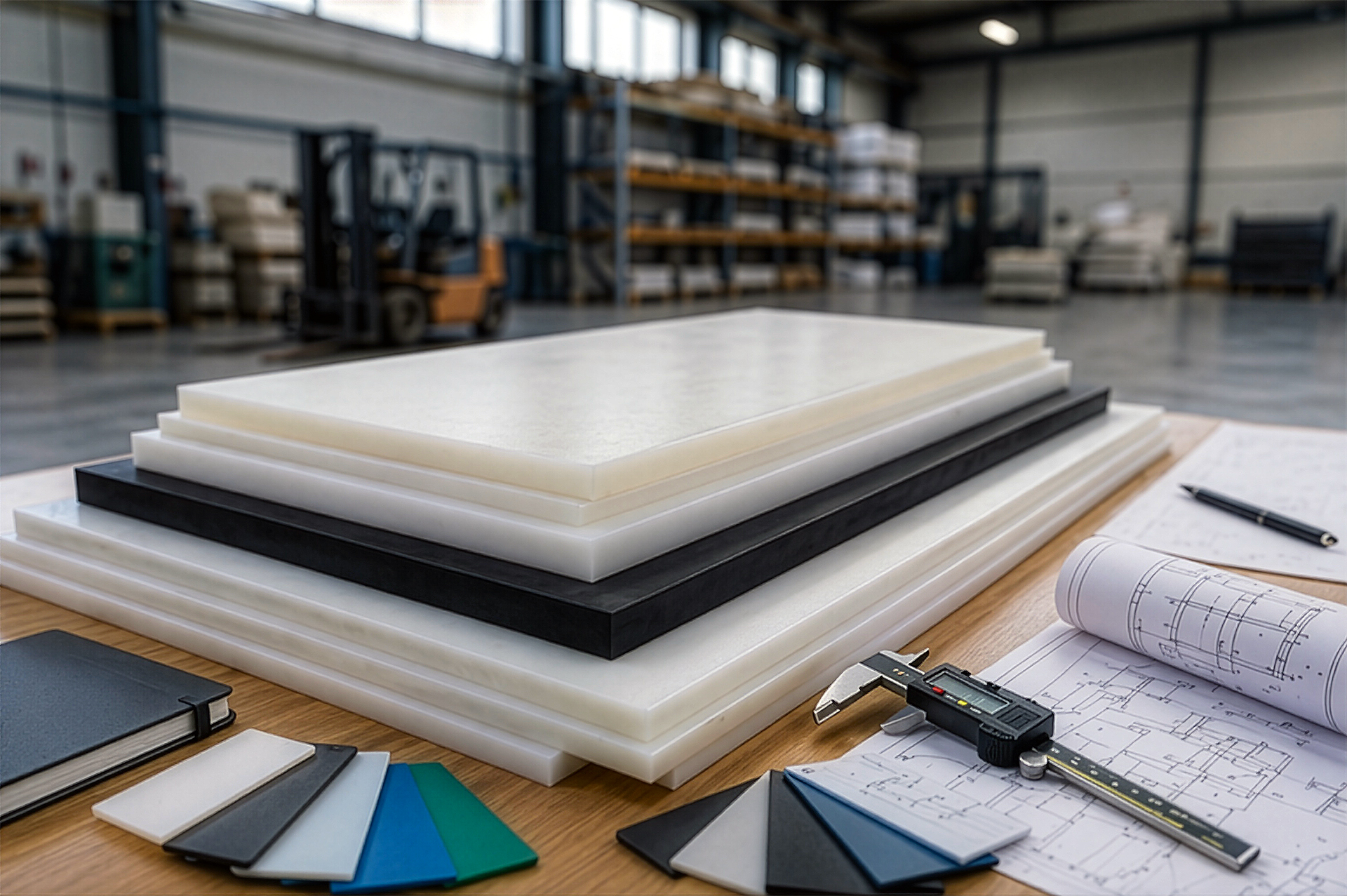
An RFQ for industrial plastic sheets should specify:
If the exact thickness is not yet defined, that should be stated openly rather than guessed. In many cases, thickness should be evaluated against the actual application instead of chosen only by habit or past reference.
Quantity also matters more than many teams expect. A one-time development request, a pilot project, and a recurring industrial supply program may all lead to different commercial and planning discussions.
That is why the quote request should not stop at “please quote sheet 78.74″ x 39.37″.” It should also communicate how much is needed and what kind of supply pattern the project involves.
If the sheet will be used in any environment involving chemicals, media exposure needs to be part of the RFQ.
This point is critical in applications such as:
The supplier should know, as early as possible:
Without that information, the quote may be commercially fast but technically weak. And in industrial supply, a fast but weak quote can create bigger problems later.
Temperature is another variable that should not be left out of an RFQ when the application involves process duty, outdoor exposure, or non-ambient operating conditions.
The team should indicate:
This matters because industrial plastic sheet selection is not only about what happens at room temperature. Process conditions can shift material suitability and influence the commercial conversation around the right grade or product family.
One of the best ways to improve an industrial plastic sheets quote is to make the manufacturing route explicit.
Will the sheet be:
This affects not only material selection, but also how the supplier interprets the scope of support required. A standard stock sheet request is different from a technically guided application tied to a fabricated system.
That distinction is especially important for projects involving tanks, ducts, covers, process assemblies, guides, and custom components.
If the material will be used outdoors or in exposed environmental conditions, the RFQ should say so.
This includes applications where the sheet or fabricated component will face:
In some projects, this can affect whether UV-related protection or a different material approach should be considered. Even when the application seems straightforward, environmental exposure can change the long-term performance profile of the part.
That is why the quote should reflect the real installation environment, not only the material dimensions.
Some RFQs are purely transactional. Others are more technical and project-based.
Suppliers can respond better when they know whether the request is:
That context helps shape the conversation around feasibility, recommendation, and commercial expectations.
A custom industrial project usually needs a different level of interaction than a straightforward stock quote. The better that is communicated at the beginning, the more useful the quote process becomes.
At a practical level, a strong quote request for industrial plastic sheets usually includes most of the following:
This level of detail does not complicate the RFQ. It improves it.
Instead of forcing the supplier to reconstruct the application through multiple rounds of follow-up, it creates a better starting point for a technically aligned commercial response.
From a procurement perspective, a better quote request does more than help engineering. It improves comparison quality across suppliers.
When RFQs are vague, quote comparisons often become misleading. One supplier may quote a standard interpretation. Another may assume a more technical scenario. A third may exclude important application conditions altogether. The pricing may look comparable on paper, but the technical basis behind the quote is not the same.
That creates risk.
Better RFQs reduce that risk by aligning the technical basis of the quotation. That leads to a better commercial evaluation and lowers the chance of discovering important gaps only after the supplier has already been selected.
Lamiex operates as a Brazilian B2B manufacturer focused on industrial PP and HDPE sheet solutions for technical applications. That means the quotation process is most effective when it is treated as part of the project logic, not just as a request for raw material pricing.
In practice, this means the most useful conversations usually start with questions such as:
That kind of dialogue helps build a quotation that is commercially relevant and technically more accurate, especially in industrial applications where specification quality directly affects long-term performance.
The best quote requests for industrial plastic sheets are not necessarily the longest ones. They are the clearest ones.
When the application, operating conditions, material expectations, dimensions, and manufacturing context are defined well, the supplier can respond faster and more accurately. That leads to better quotations, better comparison, and better project decisions.
If the RFQ is vague, the commercial process usually becomes slower and less reliable. If it is technically grounded, the quote becomes a real tool for decision-making.
That is why preparing a strong industrial plastic sheets quote request is worth the effort. In technical B2B supply, better information at the start almost always leads to a better outcome at the end.
Lorem ipsum dolor sit amet, consectetur adipiscing elit. Sed posuere consectetur est at lobortis. Aenean lacinia bibendum nulla sed consectetur. Sed posuere consectetur est at lobortis. Cras mattis consectetur purus sit amet fermentum. Nullam quis risus eget urna mollis ornare vel eu leo.